An intern’s experience
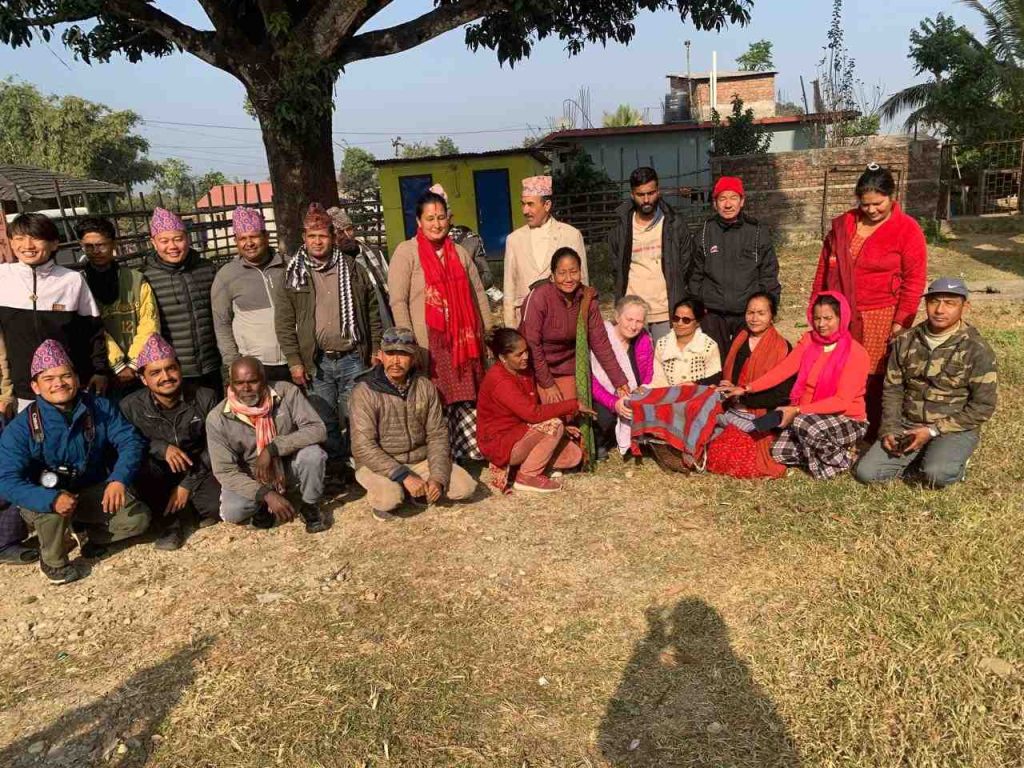
My journey from 21st to 30th December 2025, focused on community-based conservation across Udayapur, Saptari, Sunsari, and Morang, was one of the most meaningful experiences of my conservation work. It was not just about visiting programs in different districts, but about learning from people, nature, and real field experiences.
A Journey That Began with purpose
The journey started with a local bus ride from Dharan to Gaighat with my senior Dai Rohan Tuladhar on 21st December. The bus was crowded and the road was long, but I was excited. After reaching Gaighat, we changed vehicles and traveled toward Deuri. From there, we walked to our homestay. We were tired, but happy.
Staying in a local homestay was my first experience, and I enjoyed it a lot. I got to live with a local family, see their daily life, eat traditional food, and learn about their culture. The family was very welcoming and kind, which made me feel comfortable. It was a wonderful way to connect with the community and understand their way of life up close.
On the same day, Jivan Dai from the Nature Conservation and Study Center (NCSC) arrived, along with Teri Allendorf from Community Conservation Inc., her husband, and their son from Kathmandu. We were warmly welcomed at the Homestay by Dipak Bantawa, chairperson of Saraswati Community Forest User Group (CFUG). We were the first guests in the homestay and it felt special. The moment became even more meaningful when Teri Mam officially opened the homestay. It felt like a beginning with a big purpose and somehow we had a small role in this.
Gaighat Conservation Program
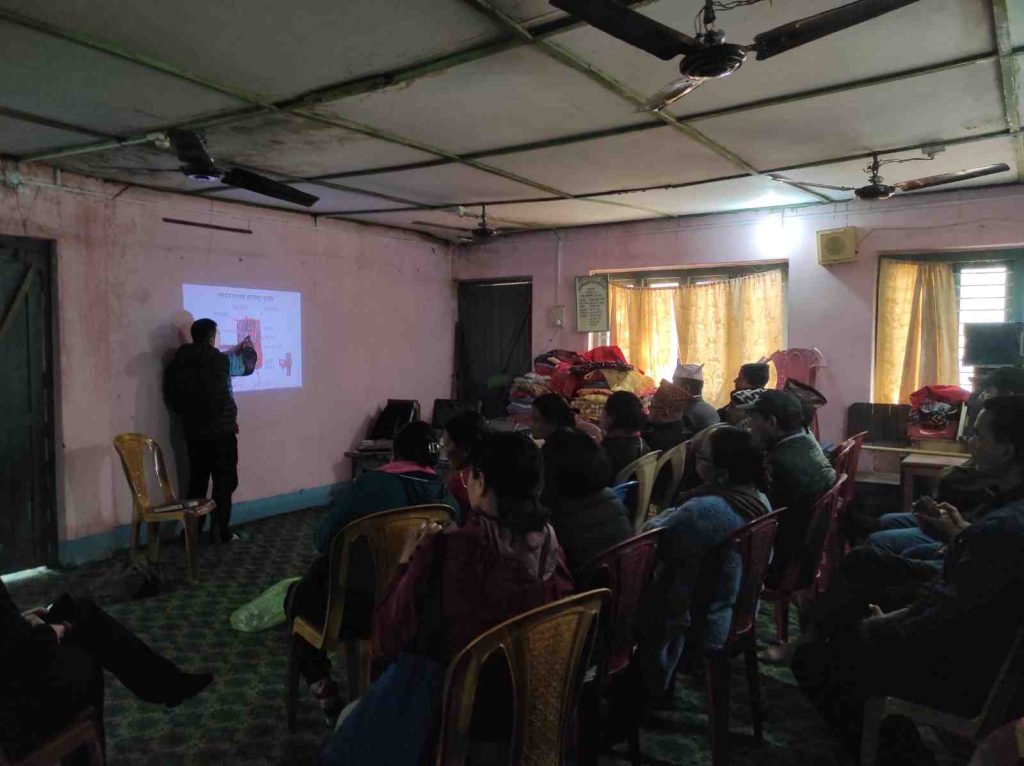
The program, organized by the Saraswati CFUG in collaboration with NCSC, focused mostly on nature observation but also included community forest conservation, wildlife protection, and public participation. Teri Mam and Jivan Dai delivered presentations on local wildlife identification, bird identification, camera trapping, community wildlife monitoring and community-based conservation.
For two days, every morning, Rohan Dai and I led birdwatching sessions for community forest user group members. We taught them how to use binoculars, observe birds carefully, and record their sightings. We also introduced simple citizen science tools like eBird and iNaturalist, which help people share their observations.
There were many funny moments during birdwatching. Some people used binoculars the wrong way, and many thought all small brown birds were the same. Often, the bird flew away just when someone focused the binoculars, which made everyone laugh.
People also faced some problems. It was hard to focus the binoculars, recognize bird sounds, and use mobile apps because of little experience and weak internet. Even with these problems, everyone enjoyed the sessions. By the end, they felt more confident and wanted to keep watching birds. NCSC donated one binocular to the community forest to support future birdwatching activities.

- 34 species observed
- 87 individuals
- Duration: 2hr 5min
- Distance: 4.07 km
- 31 species observed
- 70 individuals
- Duration: 2hr 20min
- Distance: 3.12 km
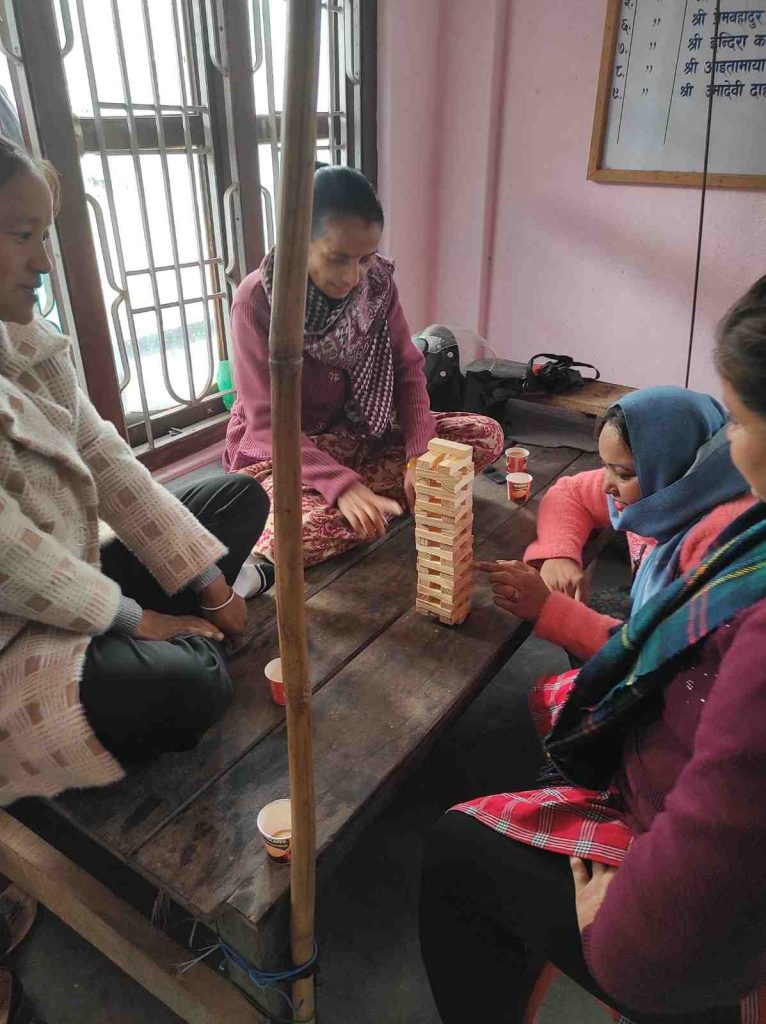
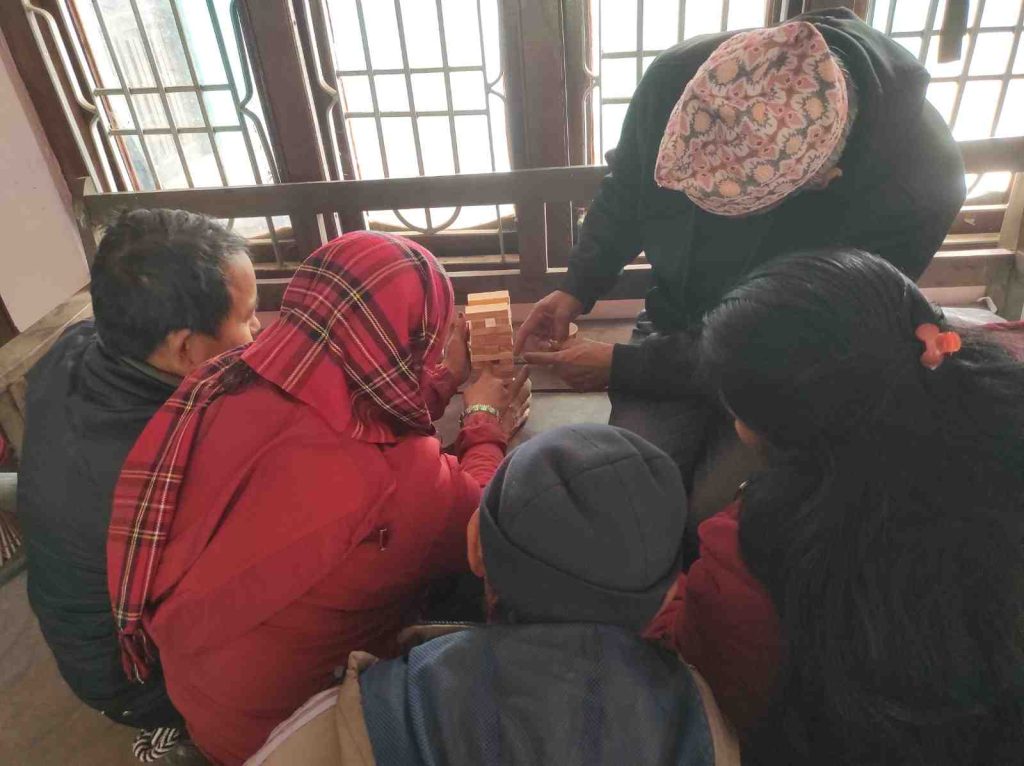
One of the most powerful moments was showing camera trap photos and videos taken in their own community forest. Seeing wildlife from their area helped people understand why conservation is important. To explain the importance of ecosystems, we played the Jenga Game, making learning interactive and fun. I also had never played Jenga.


We also experienced local culture by tasting traditional medicinal tea and sel roti, reflecting the warmth and hospitality of the community. The most delicious dish was sel roti. I liked sel roti the most because it was freshly made, crispy on the outside, soft inside, and slightly sweet, which made it very tasty and enjoyable.
The Nature Observation training lasted three days from 22nd to 24th December and successfully combined conservation education, community participation, and cultural exchange. Through presentations, discussions, and field activities, I learned that real conservation is possible only when local communities are actively involved.
This program was special because it was initiated and led by the Saraswati CFUG itself, which is very rare. Most conservation programs are planned and funded by outside organizations, but in this case, almost all the planning, management, and expenses were covered by the local CFUG, with technical support from NCSC. This community led approach made the program unique and showed the strong commitment of local people to forest and wildlife conservation.
Programs in Saptari, Sunsari, and Morang
After Gaighat, we traveled to Saptari for another conservation program on 25th December. There, Teri Mam and Jivan Dai spoke again about community conservation and camera trapping. Rohan Dai and I showed how to install camera traps and shared videos of mammals recorded in Udayapur forests. This helped participants understand wildlife more clearly.



After Saptari, we returned to Dharan and conducted the same program in Tarahara on 26th December. Doing the program again helped me understand that every community is different and responds in its own way.
Later, we traveled to Morang on 28th December for a one-day workshop on the values of biodiversity for the CFUGs and Community-based Anti Poaching Units (CBAPU) Morang. Here, discussions focused on the importance of biodiversity protection, wildlife conservation, and anti-poaching groups. The Jenga Game once again helped explain ecosystem balance in a simple way. Open discussions allowed people to share their ideas and challenges.
Workshop in Dharan
After Morang, we returned to Dharan, where a two-day workshop was organized at the Central Campus of Technology, my college, from 29th to 30th December. Nine students attended the workshop.
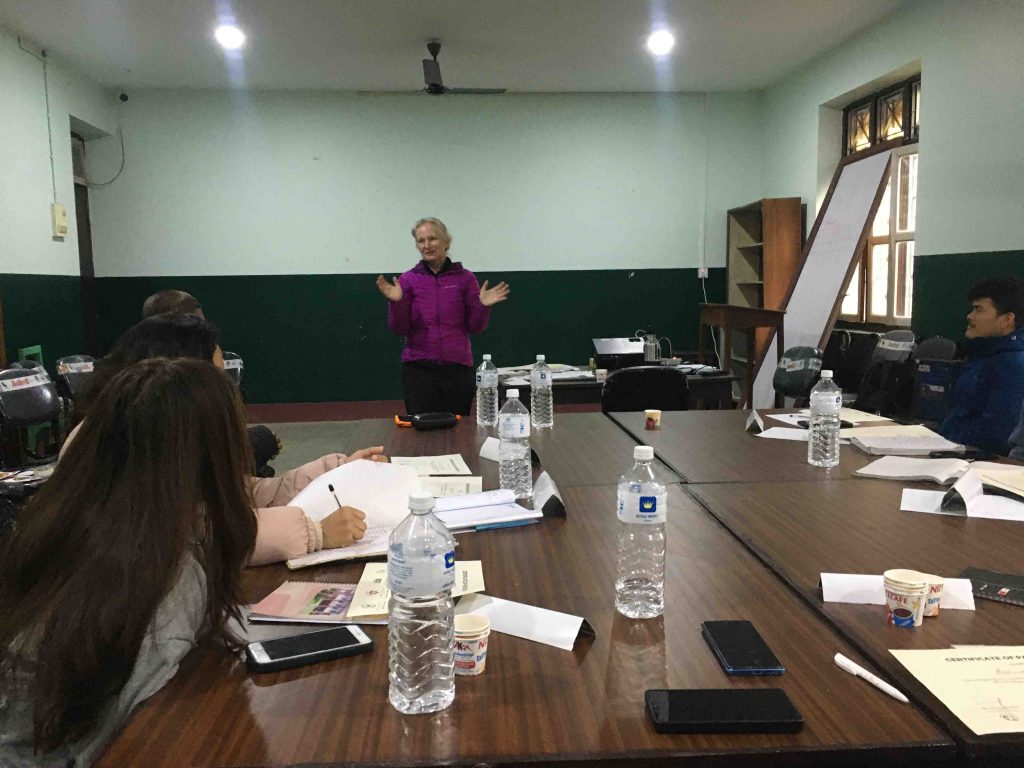
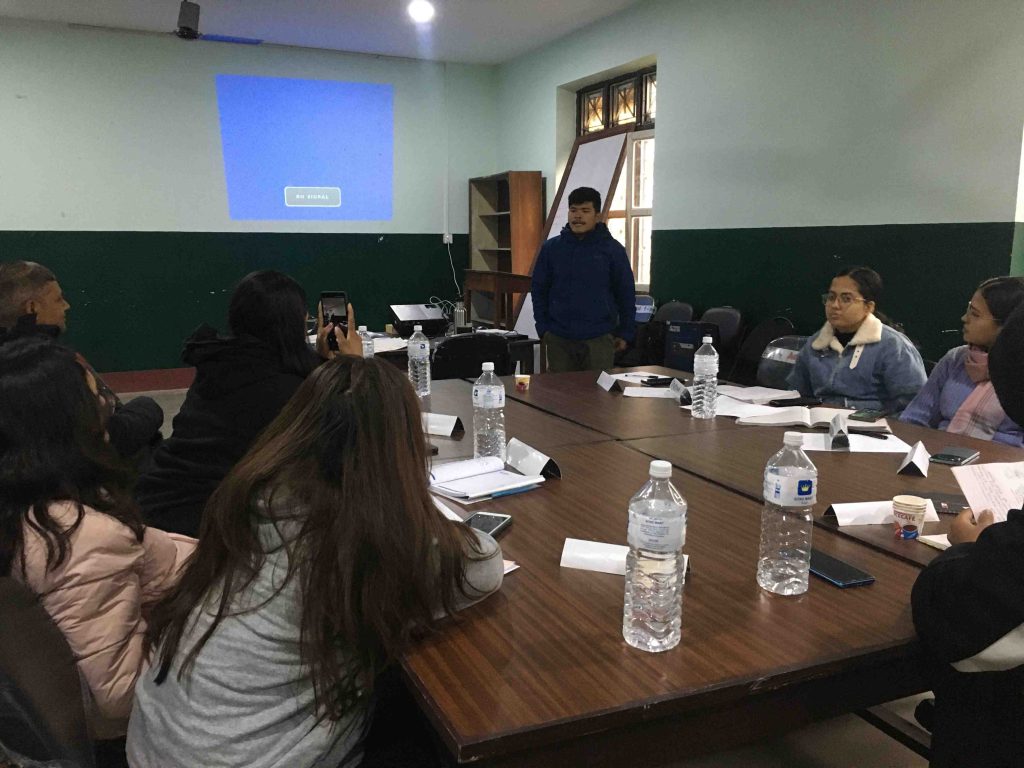
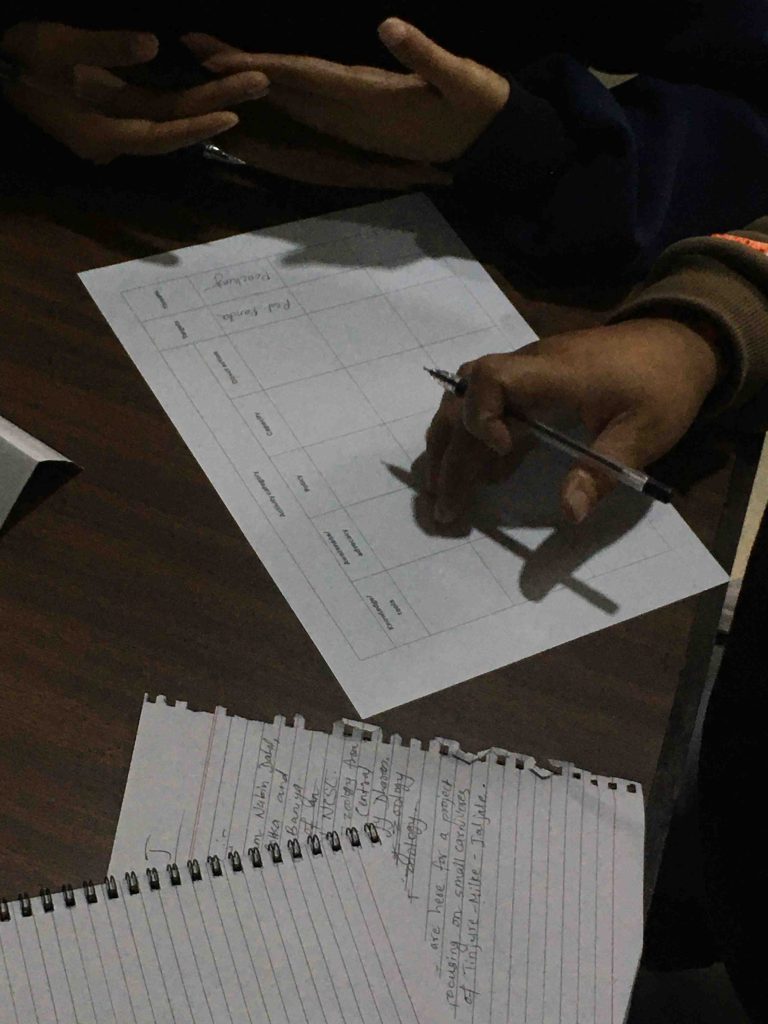
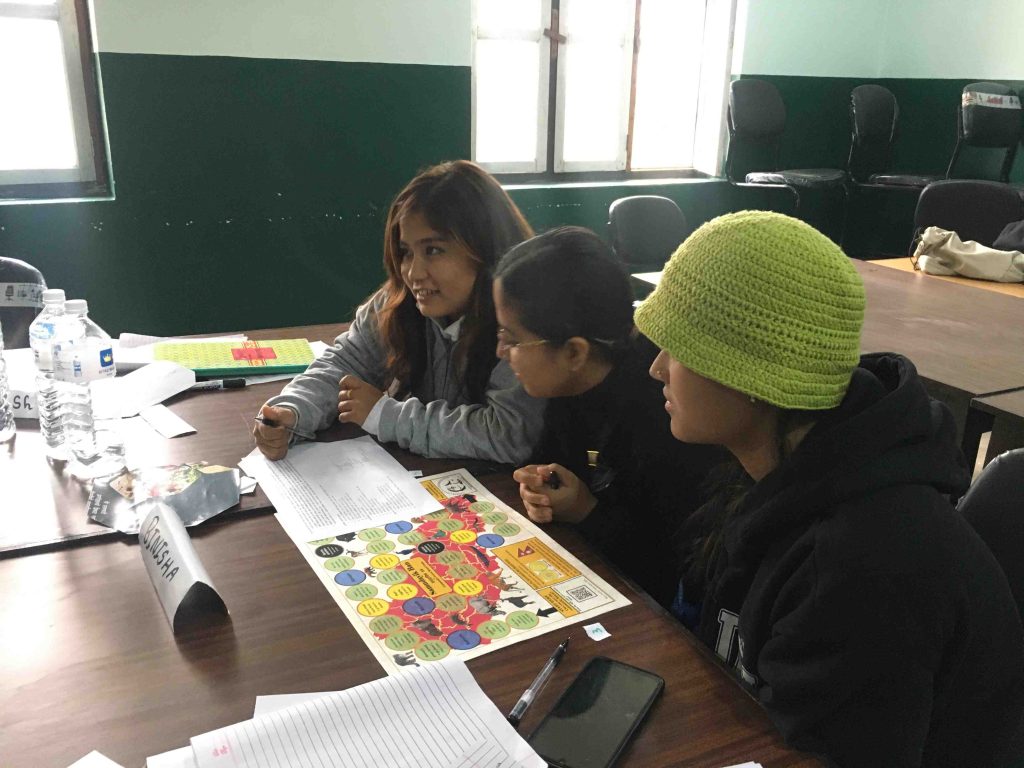
During the training, we learned how to communicate effectively with community members. This helped us understand their views and build trust, which is very important for conservation work. To make the training more effective, we played different roles, such as conservation workers and community members. This role play helped us understand both sides better.
One of the most enjoyable parts was the interactive activities, such as the Momo game and community forest games. I especially liked the Momo game because it showed how people conserve forests for money. When the money runs out, they stop conserving. The game was fun and also eye-opening, as it clearly showed how financial support and rewards affect conservation efforts.
This workshop connected field experience with academic learning. Students explored community conservation, its methods, and how real-world experiences strengthen scientific understanding.
Receiving the certificate at the end felt meaningful—not just as recognition, but as a reminder of my responsibility toward conservation. This journey taught me that real conservation begins with communities, and with awareness, teamwork, and simple tools, we can make a lasting difference.
Biswas is a graduate student of biology at Central Campus of Technology (CCT), Dharan. He is currently an intern at NCSC.
